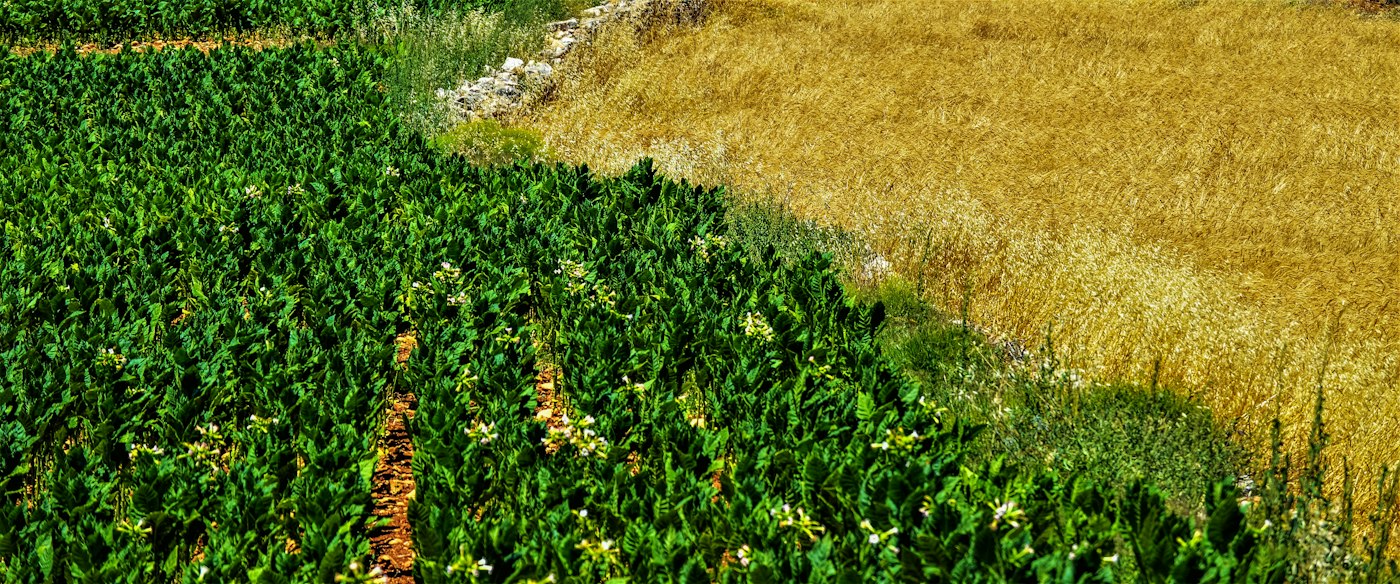
Three years ago, standing in a supermarket produce section, the disconnect became impossible to ignore. Vegetables wrapped in plastic, labeled "fresh," yet somehow lifeless. The smell missing. The texture wrong. Something fundamental had been lost in translation.
The question was simple: why couldn't families access what farmers actually grew?
The Problem Became Clear
Conversations with local growers revealed a frustrating pattern. They harvested beautiful produce. It went into a distribution system designed for efficiency rather than quality. By the time it reached consumers, days or weeks had passed. Nutrients diminished. Flavor faded. The connection between farm and table severed completely.
Meanwhile, families wanted better food. They just didn't know how to access it without driving to multiple farm stands on specific days or committing to complicated subscription programs.
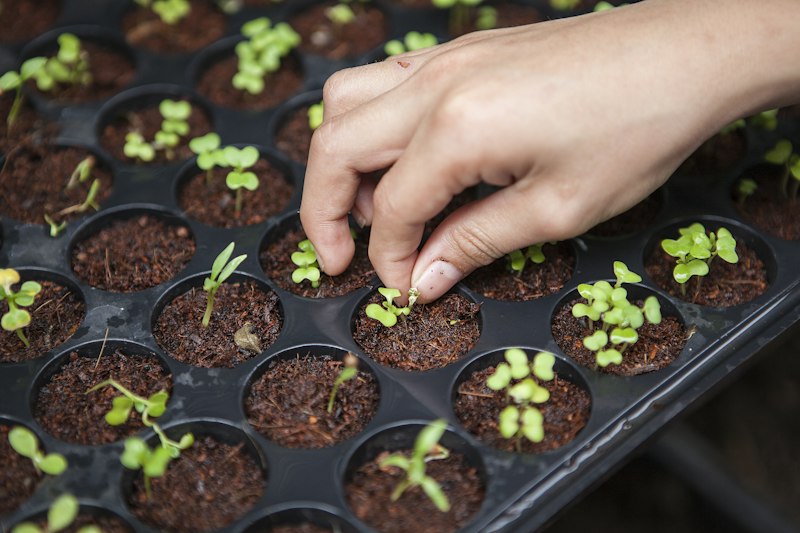
The goal: getting produce like this from farm to kitchen within a day
A Direct Approach
The solution emerged through subtraction rather than addition. Remove warehousing. Remove multi-day transport. Remove unnecessary packaging. Remove the middlemen who add cost without adding value.
What remained was straightforward: farmers harvest, we coordinate, families receive. The entire cycle completes in twenty-four to thirty-six hours.
This required building relationships with growers who shared similar values. Small to medium farms practicing sustainable methods. People who chose quality over quantity, even when that meant lower yields or more labor.
Who Grows Your Food
The network includes dairy farms transitioning to vegetables after decades of conventional agriculture. Young farmers starting on inherited land, implementing organic practices their grandparents never considered. Immigrants bringing growing techniques from other climates and adapting them to New Zealand conditions.
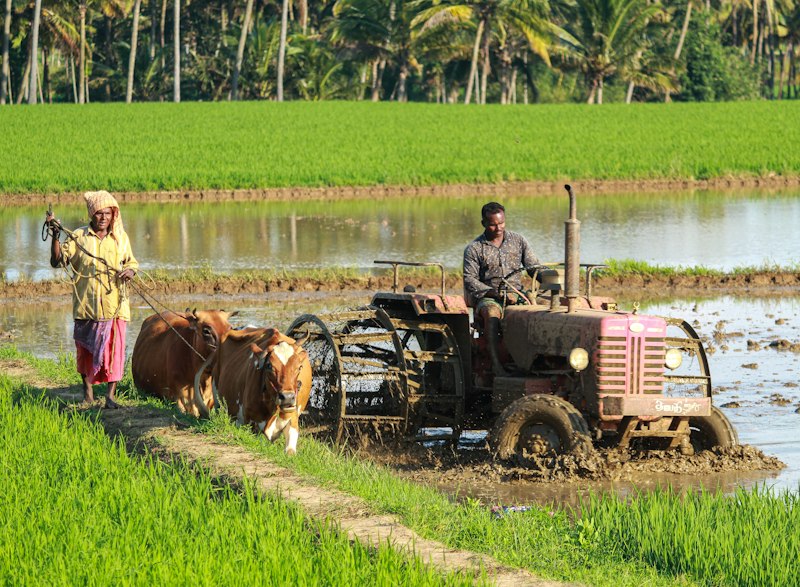
Each brings different expertise. Heritage tomato varieties. Asian vegetables uncommon in mainstream markets. Root crops selected for flavor rather than storage duration. Seasonal berries that would never survive conventional distribution.
They share a common challenge: limited market access. Their quality commands fair prices, but reaching customers who value that quality requires infrastructure they don't have. That's where coordination matters.
How It Functions Daily
Farmers harvest based on ripeness indicators rather than shipping schedules. They bring produce to a central point each evening. Our team sorts by delivery route, maintains cold chain integrity, and dispatches to households the following morning.
No extended storage. No ripening rooms. No wax coatings or chemical treatments. Just basic refrigeration during the short window between harvest and delivery.
This demands precise logistics. Weather affects harvest timing. Seasonal availability shifts weekly. Customer preferences vary. The coordination happens through a combination of technology and direct communication with growers.
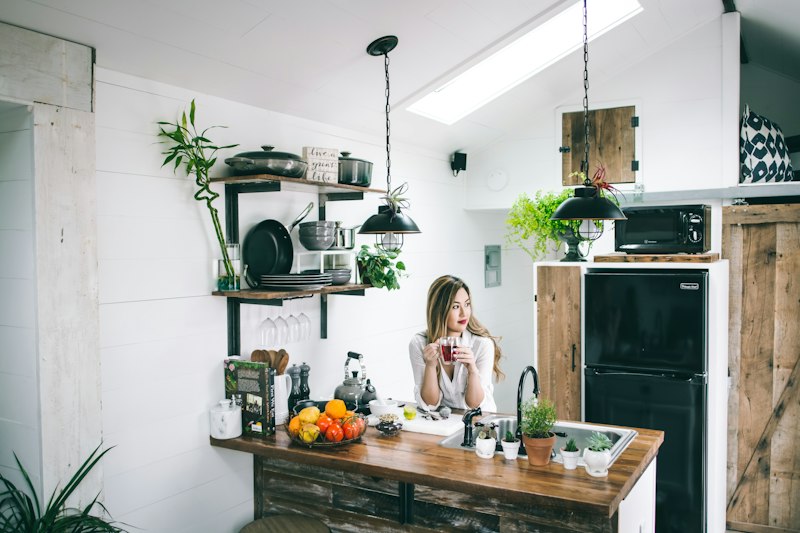
Sorting and coordinating deliveries while maintaining freshness standards
What Guides Decisions
Every choice returns to a basic question: does this serve food quality or does it serve convenience?
When those align, decisions are easy. When they conflict, quality takes priority. This means sometimes saying no to certain products. Turning down farms that don't meet standards. Limiting delivery radius to maintain timing.
It means honest communication about what's available seasonally. No year-round tomatoes that taste like water. No berries in winter shipped from distant continents. No pretending that local organic growing can match the appearance uniformity of industrial agriculture.
The Environmental Consideration
Shorter supply chains inherently reduce environmental impact. Less refrigeration. Less packaging. Less fuel consumption. Studies suggest local food systems may help reduce carbon footprints associated with long-distance food transportation when implemented efficiently.
Supporting diverse small farms creates landscape heterogeneity. Different crops in different fields. Hedgerows and buffer zones. Habitats for pollinators and beneficial insects. This stands in contrast to monoculture operations that dominate industrial agriculture.
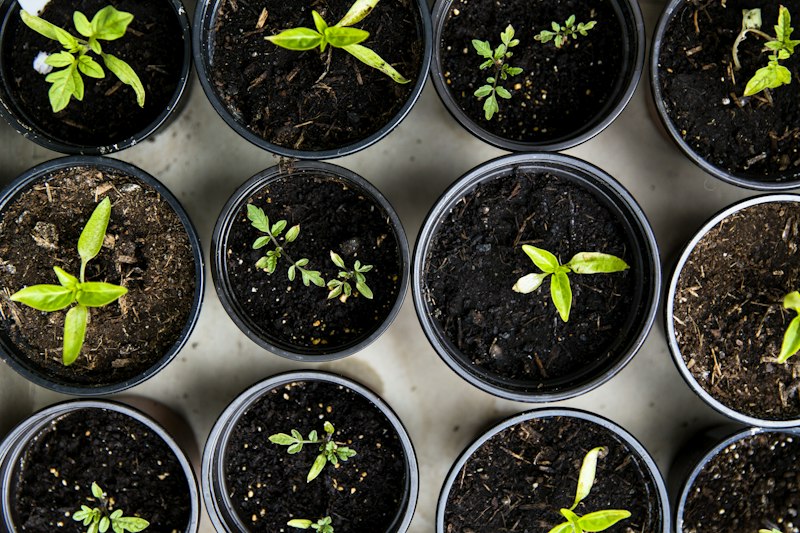
Soil health improves under organic management. Carbon sequestration increases. Water retention enhances. These effects compound over years, creating agricultural systems that regenerate rather than deplete land resources.
Looking Forward
The vision remains modest. Connect more families with better food. Support more farms practicing sustainable methods. Demonstrate that alternatives to industrial food systems can function at practical scale.
Expansion happens through relationships rather than marketing. One family tries the service, notices the difference, mentions it to neighbors. One farmer sees stable income, tells other growers. Growth emerges from genuine value rather than promotional campaigns.
This isn't about revolutionizing anything. It's about returning to something that worked before corporate consolidation made it seem impossible. Direct relationships between people who grow food and people who eat it.
That foundation remains sound. Everything builds from there.