Last Tuesday morning, Sarah watched her daughter push aside another plate of vegetables. "I don't like them," the seven-year-old insisted. Sarah couldn't blame her. The tomatoes tasted like water. The carrots had lost their snap days ago.
She thought she was doing everything right. Buying from reputable stores. Reading labels. Choosing "fresh" produce sections. But something felt off.
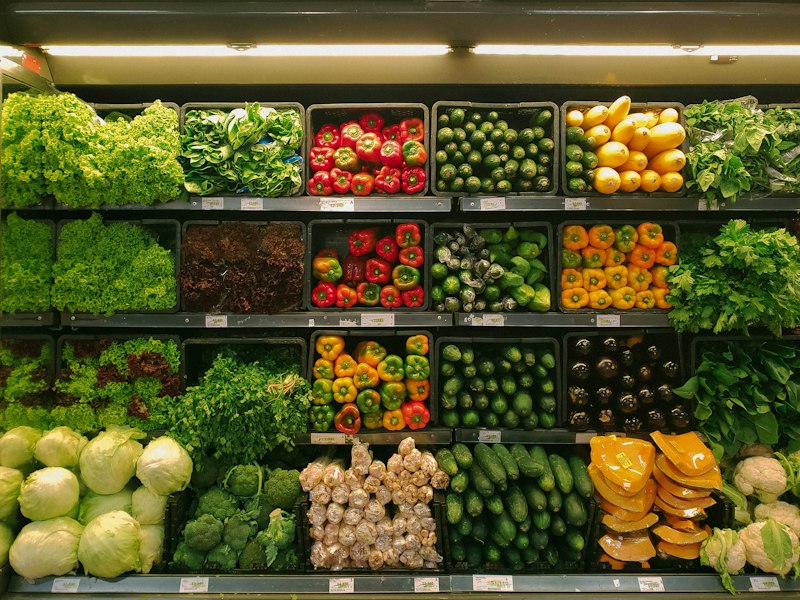
The difference between truly fresh produce and what most stores sell is measured in weeks, not days
The Hidden Timeline
Most New Zealanders assume their vegetables traveled a short distance. Local farms. Quick delivery. Fresh on the shelf.
The reality challenges this comfortable assumption.
Industrial supply chains move produce through multiple handlers. From harvest to regional distribution centers. Then to main warehouses. Finally, after refrigerated storage, to retail locations. This process consumes seven to fourteen days on average. Sometimes longer.
During this period, nutrient degradation begins immediately. Vitamin C content drops by thirty to fifty percent within the first week. Natural sugars convert to starches. Cellular structures break down. What arrives at stores bears little resemblance to what left the field.
What if there was a different way to feed your family?
The Soil Connection
Walk through a genuine farm early morning, and you notice something immediately. The air smells different. Earth and growing things. Moisture and life.
Talk to farmers who've worked their land for decades, and they'll tell you about soil health. Not as marketing language, but as measurable reality. Organic matter percentages. Microbial diversity. Root depth and structure.
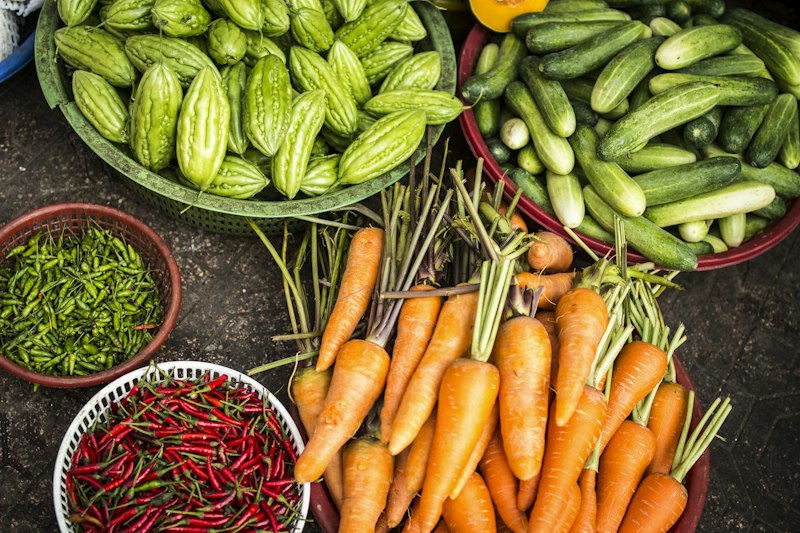
These factors determine everything. Nutrient density. Flavor complexity. How long produce maintains its quality after harvest. Research published in the Journal of Agricultural and Food Chemistry demonstrates that soil health directly correlates with nutritional content [1].
Industrial agriculture prioritizes yield and appearance. Organic farming, done properly, prioritizes the biological systems that create genuine nutrition. The difference manifests in your kitchen. In taste. In how your body responds. In whether children naturally want to eat their vegetables.
The Local Network
Across New Zealand, smaller producers have maintained a different approach. They grow for quality rather than quantity. They harvest based on ripeness rather than shipping schedules. They serve communities rather than distant markets.
These farms operate at human scale. Ten to fifty acres typically. Diverse crops rather than monocultures. Seasonal rhythms rather than year-round forcing.
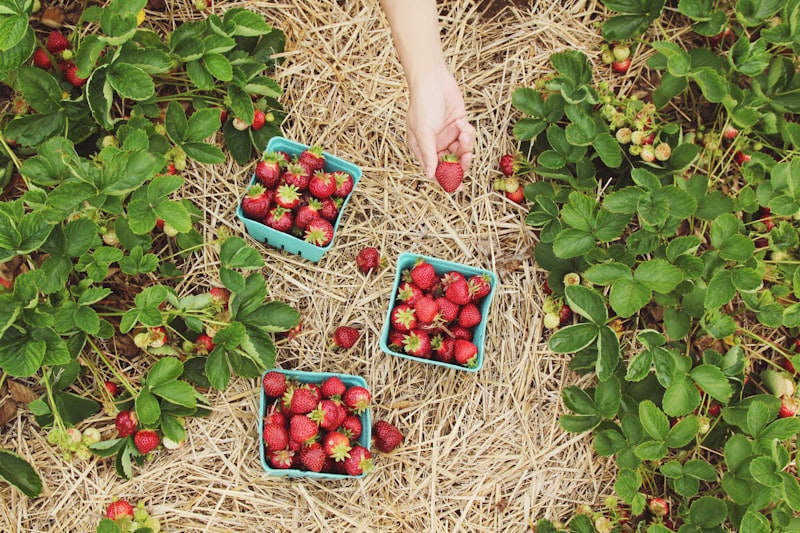
Small-scale farming creates biodiversity that industrial agriculture cannot replicate
Most families never access this network. Not because it doesn't exist, but because traditional distribution makes it invisible. Farmers markets require specific schedules. Farm stores operate limited hours. Direct purchasing means driving to multiple locations.
The gap between what's available and what reaches most kitchens remains substantial.
A Simple Question
What would change if truly fresh produce arrived at your door the day after harvest?
Not as a luxury service. Not requiring complicated subscriptions or commitments. Just straightforward access to what local farms already grow.
This question led to something practical. A system connecting regional producers with families who care about food quality. No middlemen. No warehousing. Harvest today, deliver tomorrow.
How It Functions
The model works through simplicity rather than complexity.
Local farms harvest according to their optimal schedules. They bring produce to a central coordination point. From there, deliveries go directly to families. The entire process completes within twenty-four to thirty-six hours.
No extended cold storage. No plastic packaging designed for two-week shelf life. No chemical treatments to prevent spoilage during transport.
Studies indicate that minimizing time between harvest and consumption may help preserve nutrient content and natural flavor profiles [2]. This approach attempts to maintain those qualities through reduced handling and transport time.
What People Notice
Emma switched three months ago. She mentions the strawberries first. "They actually smell like strawberries. My kids started eating them before I could put them away."
Michael talks about cooking differently. "When ingredients have real flavor, you don't need to mask them with heavy sauces. Simple preparation works better."
Rachel, who struggled with getting her family to eat vegetables, describes a shift. "I'm not fighting anymore. The food tastes good enough that people want to eat it."
"I thought I knew what fresh vegetables tasted like. I was wrong. The difference is remarkable, and now my whole family notices when we eat at restaurants or buy from regular stores."
— James Mitchell, Wellington
These responses emerge consistently. Not from marketing, but from the basic difference between produce that traveled two days versus two weeks.
The Practical Details
Access works through straightforward options designed for different household needs and preferences.
Weekly Essentials Collection
Core vegetables and fruits that form the foundation of daily cooking. Seasonal variety changes weekly based on what's at peak harvest. Serves households of two to three people comfortably.
NZ$47.50 per delivery
Family Harvest Bundle
Larger quantities suited for families with children or those who cook frequently. Includes staple vegetables, seasonal fruits, and rotating specialty items. Designed to provide substantial meal components for four to five people throughout the week.
NZ$78.90 per delivery
Seasonal Discovery Selection
Curated mix focusing on unique and heritage varieties that rarely appear in standard retail. Changes significantly with seasons. Smaller portions of diverse items. Appeals to those interested in culinary exploration and supporting crop diversity.
NZ$62.30 per delivery
Garden Fresh Staples
Practical assortment of the most commonly used produce items. Lettuce, tomatoes, cucumbers, peppers, onions, and similar essentials. Predictable contents make meal planning straightforward. Suitable for smaller households or supplementing existing shopping.
NZ$39.80 per delivery
Complete Kitchen Supply
Comprehensive selection combining everyday staples with seasonal variety. Largest volume option including vegetables, fruits, herbs, and occasional additions like eggs or preserves from partner farms. Designed to minimize need for additional grocery shopping.
NZ$96.40 per delivery
Specialty Organic Range
Focus on certified organic items with particular attention to difficult-to-find varieties. Includes specialty greens, heirloom tomatoes, unusual root vegetables, and seasonal herbs. Premium selection for those prioritizing certified organic standards above all else.
NZ$84.75 per delivery
Each option includes direct farm sourcing, next-day delivery, and seasonal adjustment based on optimal harvest times.
The Broader Implications
This approach addresses more than individual food quality. It creates economic viability for smaller farms. Research suggests that direct-to-consumer models can support sustainable agricultural practices by providing farmers with better margins and reducing environmental impact from transportation [3].
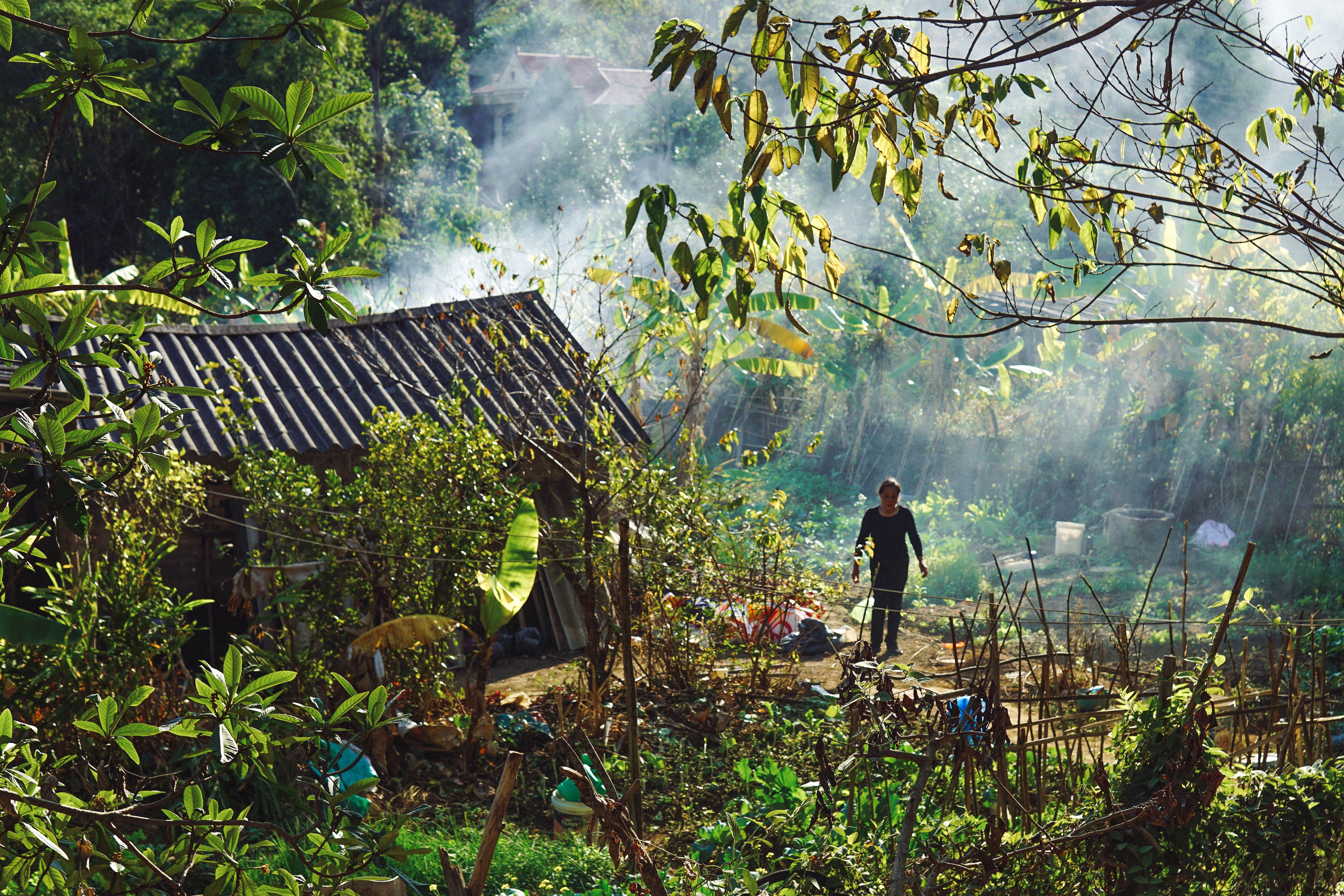
When farms can sell directly, they receive fair compensation. This enables them to maintain soil health rather than mining it for short-term yield. To grow diverse crops rather than monocultures. To operate at sustainable scale rather than constantly expanding.
For communities, it means resilience. Local food systems that function independently of global supply chains. Knowledge preservation about growing food in specific regional conditions. Connection between people and the land that feeds them.
Starting Point
Making this shift requires only a simple decision. Choose what matches your household needs. Deliveries begin the following week. No contracts. No minimum commitments. Adjust or pause anytime.
Begin Receiving Farm-Fresh Produce
These products are not intended to diagnose, treat, cure, or prevent any disease. Individual results may vary based on diet and lifestyle factors. This information should not replace consultation with qualified healthcare providers. Always consult appropriate specialists regarding dietary changes, especially if you have underlying health conditions or concerns.